Dr. Sebi – United States v. Bowman, 260 U.S. 94 (1922)
https://supreme.justia.com/cases/federal/us/260/94/
In United States v. Bowman, 260 U.S. 94, 98, 43 S.Ct. 39, 41, 67 L.Ed. 149 (1922), the Supreme Court held that a criminal statute prohibiting conspiracy to defraud a corporation in which the United States is a stockholder applied extraterritorially, despite Congress’ failure to indicate that the statute should be so applied.
In Bowman, the Court explained that, if a statute is to be applied extraterritorially, “it is natural for Congress to say so in the statute, and failure to do so will negative the purpose of Congress in this regard.” Id. at 98, 43 S.Ct. at 41.
The Bowman Court then noted, however, that “the same rule of interpretation should not be applied to criminal statutes which are, as a class, not logically dependent on their locality for the Government’s jurisdiction, but are enacted because of the right of the Government to defend itself against obstruction, or fraud wherever perpetrated.” Id.
In international law, extraterritoriality is the state of being exempted from the jurisdiction of local law, usually as the result of diplomatic negotiations.
Historically, this primarily applied to individuals, as jurisdiction was usually claimed on peoples rather than on lands.[1] Extraterritoriality can also be applied to physical places, such as foreign embassies, military bases of foreign countries, or offices of the United Nations. The three most common cases recognized today internationally relate to the persons and belongings of foreign heads of state, the persons and belongings of ambassadors and other diplomats, and ships in international waters.
apropos
adjective
1. very appropriate to a particular situation
Example: “the composer’s reference to child’s play is apropos”
preposition
1. with reference to; concerning
Example: “she remarked apropos of the initiative, ‘It’s not going to stop the abuse’”
Local Dating Online
Many local newspapers had online personals in the mid 1990s but were bought out by these big dating sites. From some of the comments it really shows how desperate dating sites are for money that they even advertise in comment sections. You have a much better chance going to local events and you will probably spend less than what you would spend on an online dating site.
Other apps have indicated that they might actually move closer to Facebook. For example, Bumble, founded by a former Tinder executive, said they had already reached out to Facebook regarding how to collaborate. And, “One thing everyone seems to agree on is that Facebook’s effectively endorsing online dating will be a huge legitimization event for the industry,” says Jefferies Internet analyst Brent Thill. According to Amanda Bradford, chief executive of The League, an elite dating app, “Facebook is validating that dating is a high-tech industry with really interesting and hard problems to solve. Still, Facebook could face some obstacles in building enough separation between the dating service and the legacy social network; some users might not like having both activities live on one app.
After giving him some time to cope with his cat passing away, he made plans to see her again and she was thrilled. He canceled the date last minute again because he said his grandma had died. Although this seemed too tragic to be true, she gave him the benefit of the doubt that he was telling the truth. Additionally, if someone is giving you a checklist right away of all of the things they want in a future partner, this may be a red flag for some controlling behaviors. It’s one thing if they express their non-negotiables but it’s another thing entirely if they are listing required traits. If you feel like someone is already trying to change things about you to suit their needs, that’s not okay. How someone initiates a conversation with you will say a lot about how they view you as a person and how they might treat you as a partner.
Online dating users are more likely to describe their overall experience with using dating sites or apps in positive, rather than negative, terms. Some 57% of Americans who have ever used a dating site or app say their own personal experiences with these platforms have been very or somewhat positive. Still, about four-in-ten online daters (42%) describe their personal experience with dating sites or apps as at least somewhat negative. Happily, there are some dating services that are looking to overcome the vanity. For example, Hinge matches people based on personality and preferences and lets you create a more interesting and rounded profile to draw people in. One of the few dating sites designed for affairs, Ashley Madison connects users for discreet encounters.
Basically all a guy like you has to do is instantly grab her attention in a memorable way with both your profile and your messages, then spend the least amount of time possible convincing her to meet you in person. For those who are hesitant to enter the online dating world for reasons related to safety or awkward conversation lulls, Double aims to take the pressure off with Double dates as opposed to one-on-one.
State things that are really important to you and be done with it. Connor turned an attempt at small talk into a rant about “gold-digging whores,” and the dating app was not having it. Matt- But what about when you said you would meet me in real life and we would lose our virginity together. One Love educates young people about healthy and unhealthy relationships, empowering them to identify and avoid abuse and learn how to love better. If you are going somewhere that serves alcoholic beverages, most bartenders are using secret codes to help customers signal, privately, when they need help if they’re getting harassed or feeling unsafe on a bad date.
With no financial requirement, free sites will naturally attract a greater proportion of people who are not really committed to finding a genuine relationship. Memberships you gain additional features such as being able to send more messages and receiving event discounts.
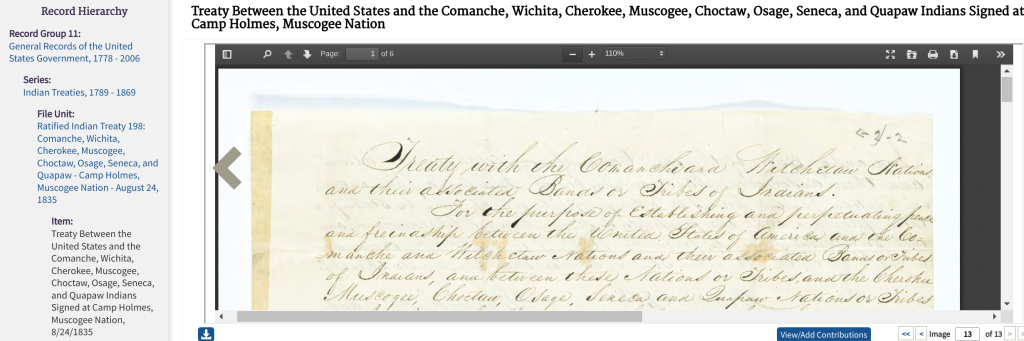
Treaty Between the United States and the Comanche, Wichita, Cherokee, Muscogee, Choctaw, Osage, Seneca, and Quapaw Indians Signed at Camp Holmes, Muscogee Nation
https://catalog.archives.gov/id/147968205
http://portal.treatysigners.org/us/Treaties%20pdf/Comanche%20Etc%201835.pdf


compendium (n.)
“brief compilation containing the general principles or leading points of a longer system or work,” 1580s, from a Medieval Latin use of Latin compendium “a shortening, saving,” literally “that which is weighed together,” from compendere “to weigh together,” from com “with, together” (see com-) + pendere “to hang, cause to hang; weigh; pay” (from PIE root *(s)pen- “to draw, stretch, spin”). Nativized earlier in English as compendi (mid-15c.).
unassailable
adjective
1. unable to be attacked, questioned, or defeated
Example: “an unassailable lead”
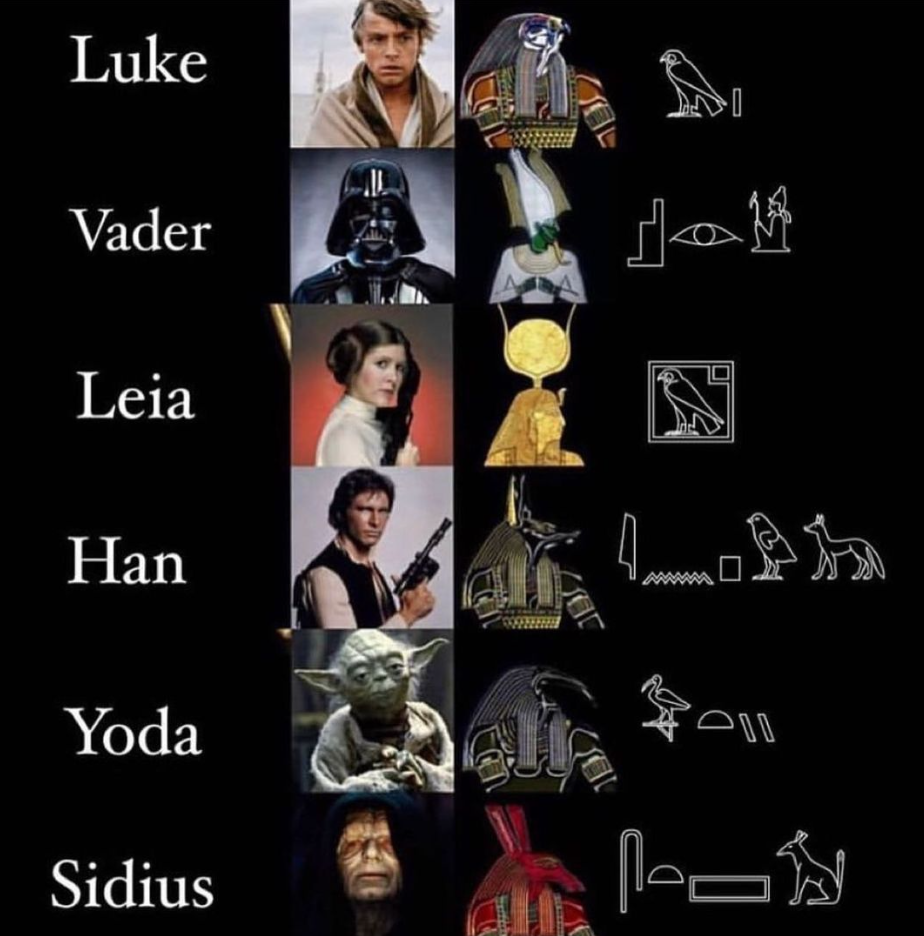
Star Wars + Egypt
Jesus of Lübeck

https://en.wikipedia.org/wiki/Jesus_of_L%C3%BCbeck
Jesus of Lübeck was a carrack built in the Free City of Lübeck in the early 16th century. Around 1540 the ship, which had mostly been used for representative purposes, was acquired by Henry VIII, King of England, to augment his fleet. The ship saw action during the French invasion of the Isle of Wight in 1545. She along with Samson were used in an unsuccessful attempt to raise Henry VIII’s flagship, Mary Rose, after she foundered during the Battle of the Solent. She was later chartered to a group of merchants in 1563 by Queen Elizabeth I. Jesus of Lübeck became involved in the Atlantic slave trade and smuggling under John Hawkins, who organized four voyages to West Africa and the West Indies between 1562 and 1568. During the last voyage, Jesus, along with several other English ships, encountered a Spanish fleet off San Juan de Ulúa in September 1568. In the resulting battle, Jesus was disabled and captured by Spanish forces. The heavily damaged ship was later sold for 601 ducats to a local merchant.
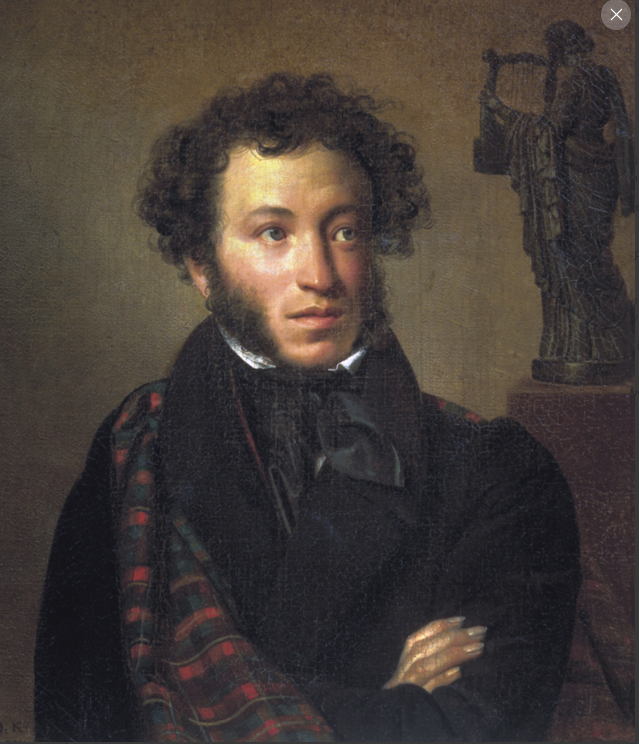
Alexander Pushkin Moor – Russia
Alexander Sergeyevich Pushkin was a Russian poet, playwright, and novelist of the Romantic era. He is considered by many to be the greatest Russian poet and the founder of modern Russian literature.