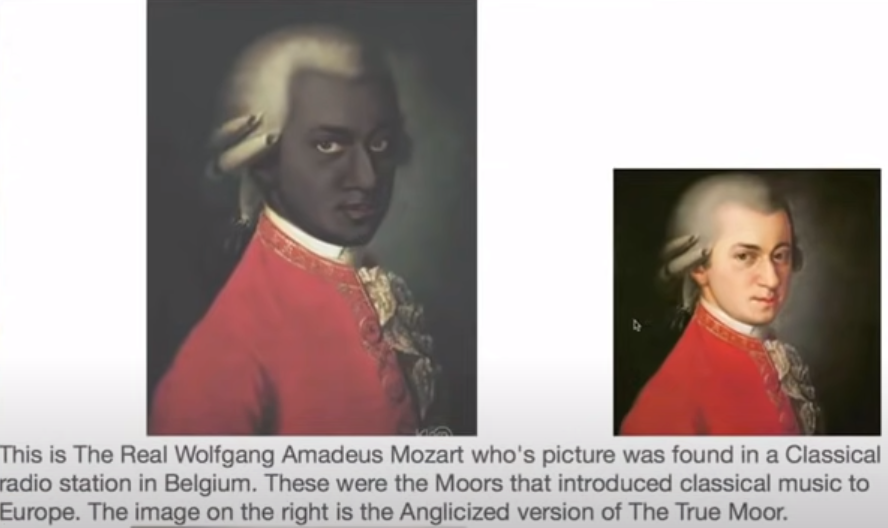
Wolfgang Amadeus Mozart
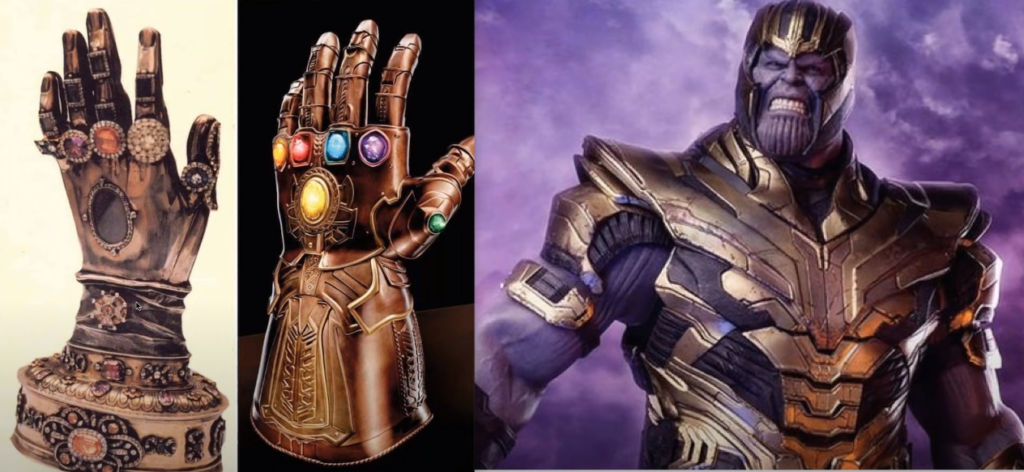


Dark Vader Thanos Darkseid Terrax mumra sekletor lex luther black manter
A Moors hand that was cut off, by warrior pope of Sardinia, petrified and cast in silver
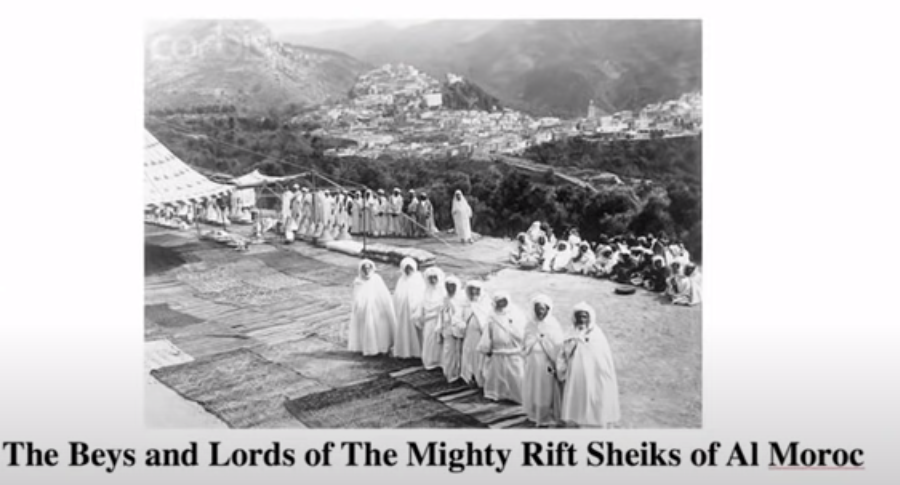
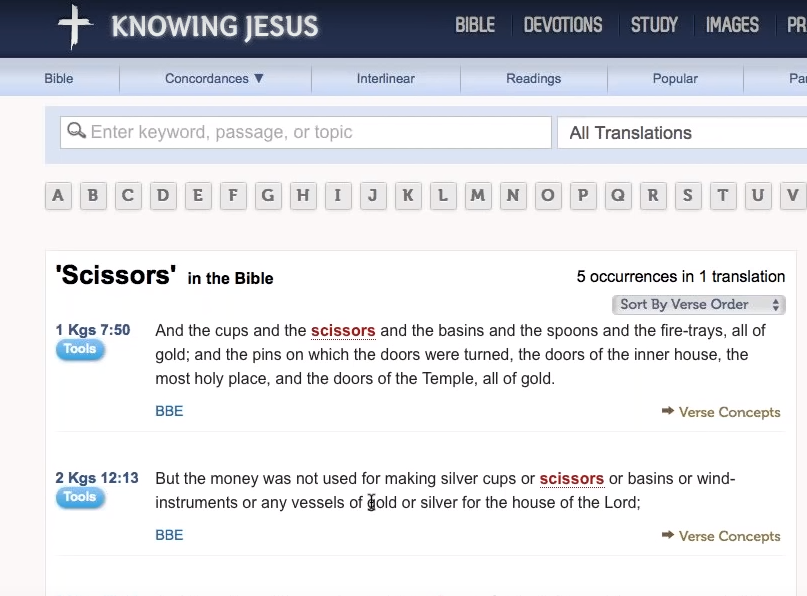
Ku Klux Klan imitate them
1. a strongbox or small chest for holding valuables
Example: “a battered leather coffer sealed with a waxen crest”
In international law, extraterritoriality is the state of being exempted from the jurisdiction of local law, usually as the result of diplomatic negotiations.
Historically, this primarily applied to individuals, as jurisdiction was usually claimed on peoples rather than on lands.[1] Extraterritoriality can also be applied to physical places, such as foreign embassies, military bases of foreign countries, or offices of the United Nations. The three most common cases recognized today internationally relate to the persons and belongings of foreign heads of state, the persons and belongings of ambassadors and other diplomats, and ships in international waters.
1590s, “to draw up a writing in chapters or articles” (i.e., under “headings”), in part a back-formation from capitulation (q.v.), in part from Medieval Latin capitulatus, past participle of capitulare “to draw up in heads or chapters,” hence “arrange conditions,” from capitulum “chapter,” in classical Latin “heading,” literally “a little head,” diminutive of caput (genitive capitis) “head” (from PIE root *kaput- “head”).
Often of terms of surrender, and thus it came to mean “to yield to an enemy on stipulated terms” (1680s). Related: Capitulated; capitulating. Compare chapter.
Muur = Babylonian (Amaru)
Moor = Acceptance of the Confederation – Spain
Mohr = Germany Denmark
Moro = Philippines
Canaanite
Phonenician
Carthagenine
Punic Iberian Empire
with the Born Stone
Capecod Massachusets under neath
Hanno the Navigator 500 B.C. approximately
Stone written in Punic Iberian – Proto Cannonite – Paleo Hebrew
Proclamation of Annexation do no deface, with this Hanno takes posession
Annexed the Americas to the Carthagerinaite Cannanite Phonenician Empire in the east
Making the first Republic
Cartharge was a Republic
Federalist Papers #10 Carthrage is referenced by the United States of America Federalist Papers #10
Carthrage symbol was an Elephant
the Republican parties symbolizes The Elephant