“commandment or direction given as a rule of action,” especially “an injunction as to moral conduct,” late 14c., from Old French percept, percet (12c.) and directly from Latin praeceptum “maxim, rule of conduct, order,” noun use of neuter past participle of praecipere “give rules to, order, advise,” literally “take beforehand,” from prae “before” (see pre-) + capere (past participle captus) “to take,” from PIE root *kap- “to grasp.” For change of vowel, see biennial. Related: Preceptive; preceptory.
Category: Uncategorized
Executive Order 13037 Bill Clinton
Made people African Americans
Added in the Census
5 Civilized Tribes
Chicksaw
Chokctoaw
Cherokee
Muscokee
indis
One connected to the Moorish Empire
Bombay = New Deli
No lawful judges since 1789
Executive Order = War Amendments
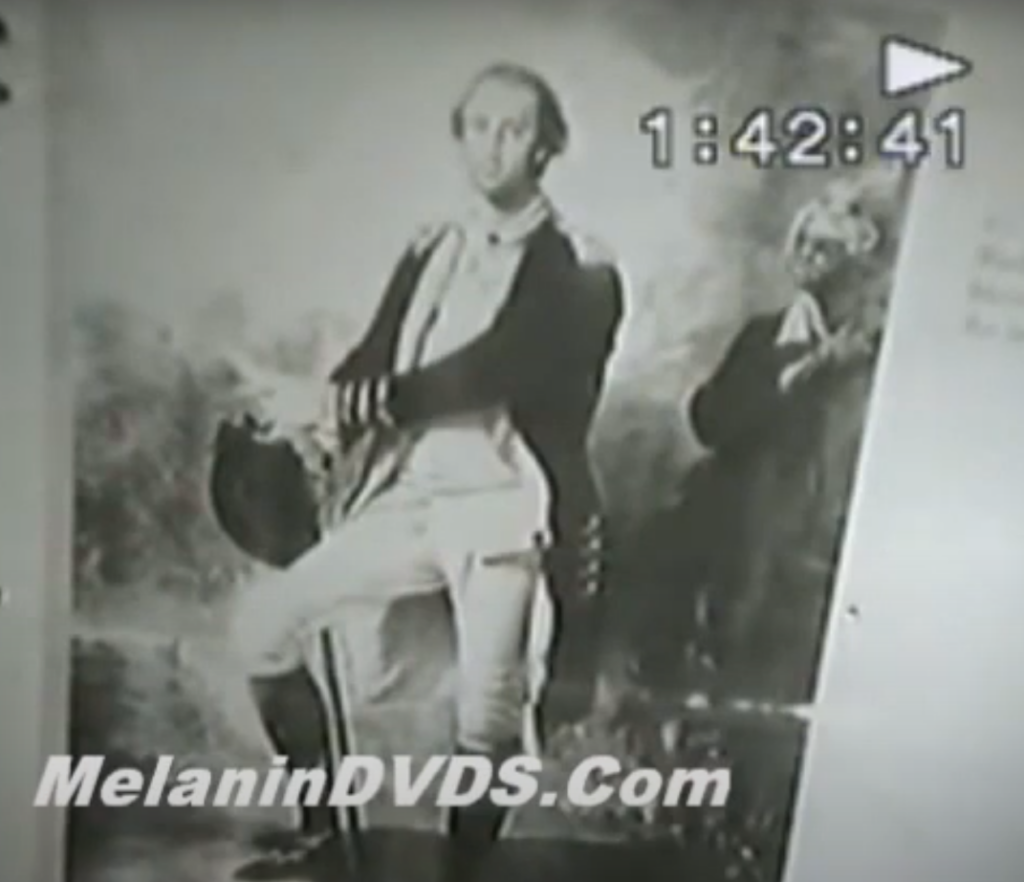
Prince Whipple behind European Student
He has on a Turban with a feather similar to Prophet Noble Drew Ali

the-trans-atlantic-slave-story-does-not-make-sense-under-critical-analysis

consecrate
verb
1. make or declare (something, typically a church) sacred; dedicate formally to a religious purpose
Example: “the present Holy Trinity church was consecrated in 1845”
Mayflower Compact
The Mayflower Compact, originally titled Agreement Between the Settlers of New Plymouth, was the first governing document of Plymouth Colony. It was written by the male passengers of the Mayflower, consisting of separatist Puritans, adventurers, and tradesmen. The Puritans were fleeing from religious persecution by King James I of England.
The Mayflower Compact was signed aboard ship on November 21 [O.S. November 11], 1620.[1] Signing the covenant were 41 of the ship’s 101 passengers[2][3] while the Mayflower was anchored in Provincetown Harbor within the hook at the northern tip of Cape Cod.[4]