- n.One who is under obligation to another by contract or legal agreement.
- n.In law, the person who binds himself or gives his bond to another.
- n.The person who binds himself, or gives his bond to another.
Category: Uncategorized
quintessence (n.)
early 15c., in ancient and medieval philosophy, “pure essence, substance of which the heavenly bodies are composed,” literally “fifth essence,” from Middle French quinte essence (14c.), from Medieval Latin quinta essentia, from Latin quinta, fem. of quintus “fifth” (from PIE root *penkwe- “five”) + essentia “being, essence,” abstract noun formed (to translate Greek ousia “being, essence”) from essent-, present participle stem of esse “to be,” from PIE root *es- “to be.”
A loan-translation of Greek pempte ousia, the “ether” added by Aristotle to the four known elements (water, earth, fire, air) and said to permeate all things. Its extraction was one of the chief goals of alchemy. Sense of “purest essence” (of a situation, character, etc.) is first recorded 1580s.
logos – reason; plan
Noam Chomsky + Father of Linguistics
YZY
ambition (n.)
mid-14c., “eager or inordinate desire for honor or preferment,” from Old French ambicion (13c.), or directly from Latin ambitionem (nominative ambitio) “a going around,” especially to solicit votes, hence “a striving for favor, courting, flattery; a desire for honor, thirst for popularity,” noun of action from past-participle stem of ambire “to go around, go about,” from amb- “around” (from PIE root *ambhi- “around”) + ire “go” (from PIE root *ei- “to go”).
Rarely used in English or Latin the literal sense. In early use in English always pejorative, of inordinate or overreaching desire; ambition was grouped with pride and vainglory, and sometimes meant little more than “arrogance.” Neutral or positive senses are modern. Meaning “object of strong desire” is from c. 1600.
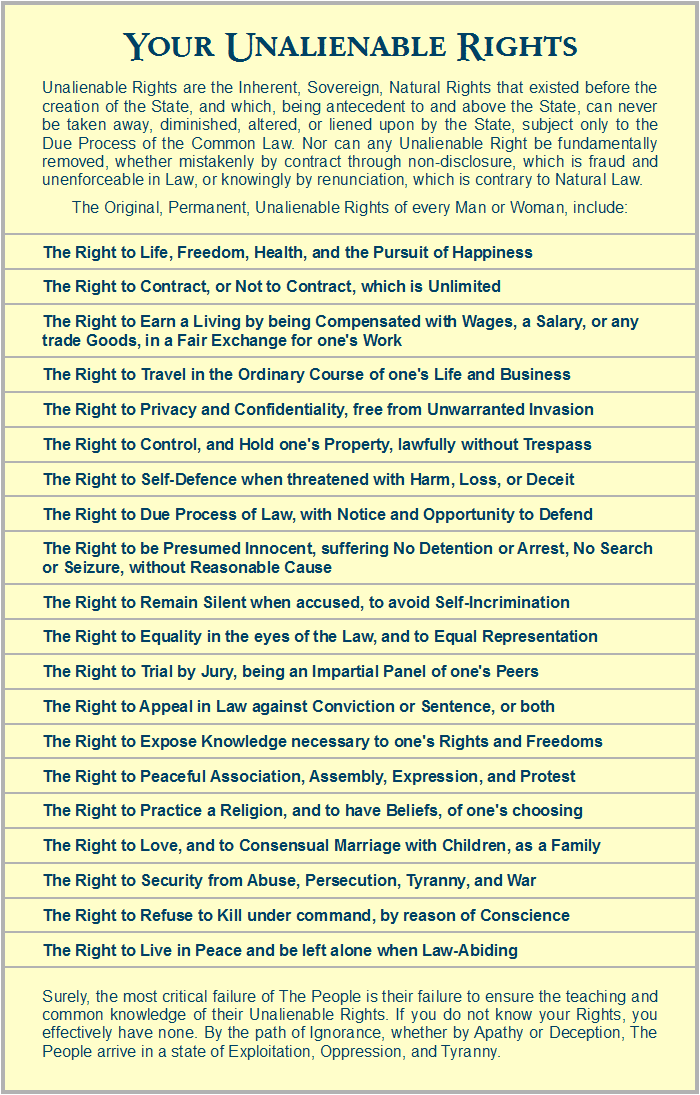
Statutory declaration
A statutory declaration is a legal document defined under the law of certain Commonwealth nations. It is similar to a statement made under oath, but it is not sworn.
Statutory declarations are commonly used to allow a person to declare something to be true for the purposes of satisfying some legal requirement or regulation when no other evidence is available. They are thus similar to affidavits, which, however, are made on oath.
Depending on jurisdiction, statutory declarations can be used for:
- Declarations of identity, nationality, marital status, etc. when documentary evidence is unavailable.
- Declaring the intention to change one’s name.
- Affirming the provenance and nature of goods for export or import.
- Statements of originality for patent applications.