In law and government, de jure (/deɪ ˈdʒʊəri, di -, ˈjʊər-/day JOOR-ee, dee -, YOOR-ee; Latin: dē iūrepronounced [deː ˈjuːrɛ], “by law”) describes practices that are legally recognised, regardless of whether the practice exists in reality.[1] In contrast, de facto (“in fact”) describes situations that exist in reality, even if not legally recognised.[2]
Author: iamking
Feudalism
Feudalism, also known as the feudal system, was a combination of the legal, economic, military, and cultural customs that flourished in Medieval Europe between the 9th and 15th centuries. Broadly defined, it was a way of structuring society around relationships that were derived from the holding of land in exchange for service or labor. Although it is derived from the Latin word feodum or feudum (fief),[1] which was used during the Medieval period, the term feudalism and the system which it describes were not conceived of as a formal political system by the people who lived during the Middle Ages.[2] The classic definition, by François-Louis Ganshof (1944),[3] describes a set of reciprocal legal and military obligations which existed among the warrior nobility and revolved around the three key concepts of lords, vassals and fiefs.[3]
Color (law)
In United States law, the term color of law denotes the “mere semblance of legal right“, the “pretense or appearance of” right; hence, an action done under color of law adjusts (colors) the law to the circumstance, yet said apparently legal action contravenes the law.[1]Under color of authority is a legal phrase used in the US[2] indicating that a person is claiming or implying the acts he or she is committing are related to and legitimized by his or her role as an agent of governmental power, especially if the acts are unlawful.
Allodial title
Allodial title constitutes ownership of real property (land, buildings, and fixtures) that is independent of any superior landlord. Allodial title is related to the concept of land held “in allodium”, or land ownership by occupancy and defense of the land. Historically, much of land was uninhabited and could, therefore, be held “in allodium”.[1]
Mohammed ben Abdallah
Mohammed Ben Abdellah al-Khatib (c. 1710 – 9 April 1790) (Arabic: محمد الثالث بن عبد الله الخطيب) was Sultan of Morocco from 1757 to 1790 under the Alaouite dynasty. He was the governor of Marrakech around 1750. He was also briefly sultan in 1748.
In 1777, under the rule of Mohammed ben Abdallah, the Sultanate of Morocco became the first nation to recognize the United States of America as an independent nation.[5]
amalgamate (v.)
1650s, “mix (a metal) with mercury,” a back-formation from amalgamation, or else from obsolete adjective amalgamate (1640s) from amalgam (q.v.). Originally in metallurgy; figurative transitive sense of “to unite” (races, etc.) is attested from 1802; intransitive sense “to combine, unite into one body” is from 1797. Related: Amalgamated; amalgamating. Earlier verbs were amalgam (1540s); amalgamize (1590s).
Inter caetera
Inter caetera (‘Among other [works]’) was a papal bull issued by Pope Alexander VI on the 4 May (quarto nonas maii) 1493, which granted to the Catholic Monarchs Ferdinand and Isabella (as sovereigns of Castile) all lands to the “west and south” of a pole-to-pole line 100 leagues west and south of any of the islands of the Azores or the Cape Verde islands.[1]
It remains unclear to the present whether the pope intended a “donation” of sovereignty or an infeudation or investiture. Differing interpretations have been argued since the bull was issued, with some arguing that it was only meant to transform the possession and occupation of land into lawful sovereignty. Others, including the Spanish crown and the conquistadors, interpreted it in the widest possible sense, deducing that it gave Spain full political sovereignty.[2]
Inter caetera and other related bulls, particularly Dudum siquidem, comprised the Bulls of Donation.[3] While these bulls purported to settle disputes between Spain and Portugal, they did not address the exploratory and colonial ambitions of other nations, which became more of an issue after the Protestant Reformation.
IN FULL LIFE v. CIVILITER MORTUUS
IN FULL LIFE
Continuing in both physical and civil existence; that is, neither actuallydead nor civiliter mortuus.
CIVILITER MORTUUS
Civilly dead ; dead in the view of the law. The condition of one who has lost his civil rights and capacities, and is accounted dead in law.
Civil Rights Act Struck down 1883 as Unconstitutional
In 1883, The United States Supreme Court ruled that the Civil Rights act of 1875, forbidding discrimination in hotels, trains, and other public spaces, was unconstitutional and not authorized by the 13th or 14th Amendments of the Constitution.
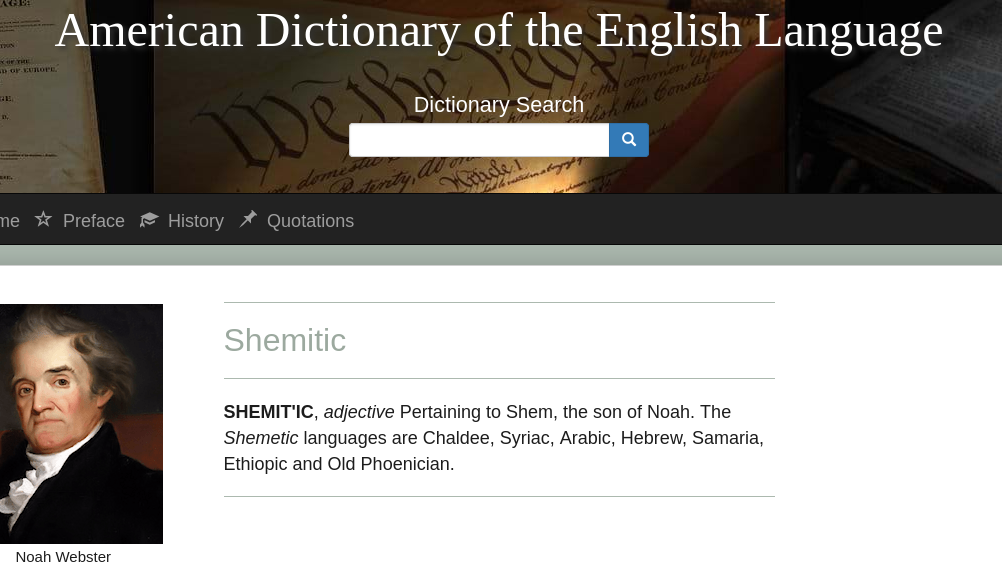
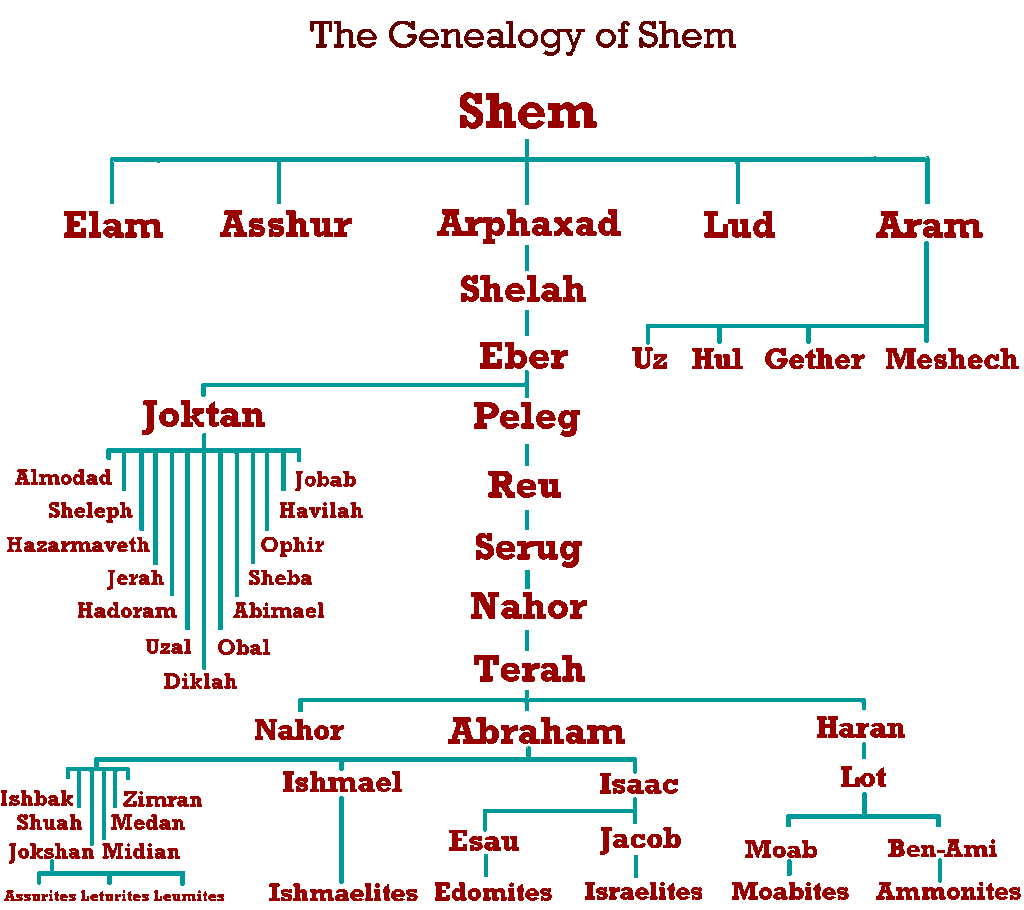
shemitic