Voir dire

Voir dire (/ˈvwɑːr dɪər/; often /vɔɪr daɪər/; from an Anglo-Norman phrase meaning “speak the truth”) is a legal phrase for a variety of procedures connected with jury trials. It originally referred to an oath taken by jurors to tell the truth (Latinverum dicere).[1]

Use in Commonwealth countries, Ireland and Hong Kong[edit]

In the United Kingdom (except Scotland), CyprusHong KongIrelandAustraliaNew ZealandPapua New Guinea and Canada, it refers to a “trial within a trial”. It is a hearing to determine the admissibility of evidence, or the competency of a witness or juror.[7] As the subject matter of the voir dire often relates to evidence, competence or other matters that may lead to bias on behalf of the jury, the jury may be removed from the court for the voir dire.

The term has thus been broadened in Australian jurisdictions to include any hearing during a trial where the jury is removed. The High Court of Australia has noted that the voir dire is an appropriate forum for the trial judge to reprimand counsel or for counsel to make submissions as to the running of the court to the trial judge.[8]

Sultan Sidi Muhammad Ben

U.S. Morocco Relations – The Beginning

Morocco and the United States have a long history of friendly relations. This North African nation was one of the first states to seek diplomatic relations with America. In 1777, Sultan Sidi Muhammad Ben Abdullah, the most progressive of the Barbary leaders who ruled Morocco from 1757 to 1790,

Essaouira - Mohammed III
Sidi Mohamed Ben Abdellah's Diplomatic Initiatives towards the US

Patagonia

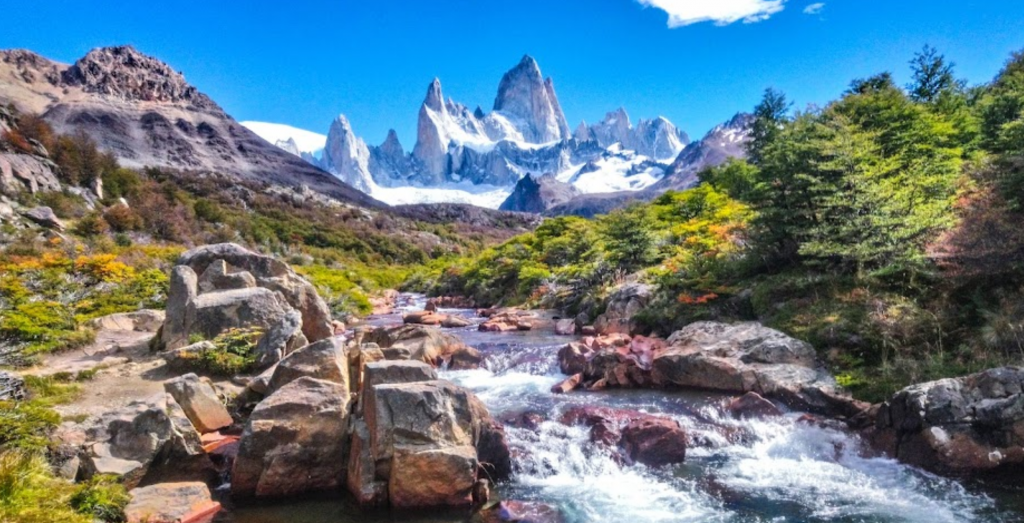
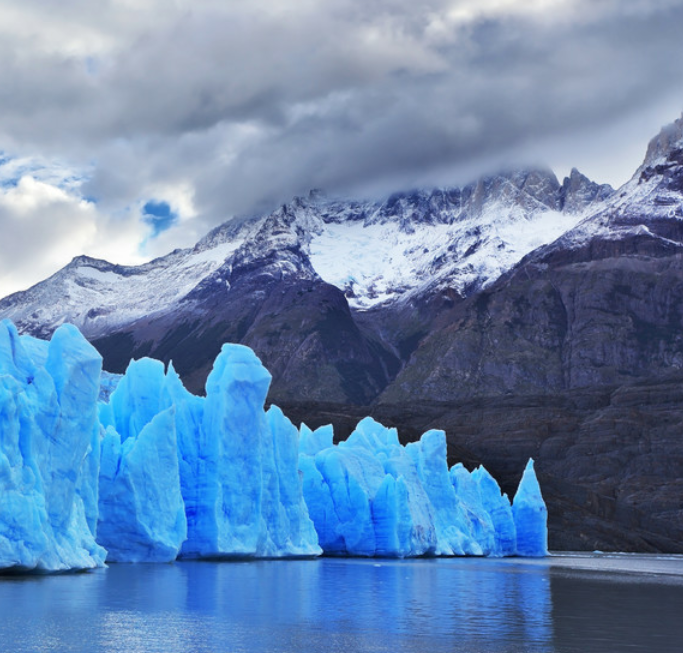
Patagonia is a region encompassing the vast southernmost tip of South America, shared by Argentina and Chile, with the Andes Mountains as its dividing line. The Argentine side features arid steppes, grasslands and deserts, while the Chilean has glacial fjords and temperate rainforest. Argentina’s famed RN-40 highway passes the pinnacles of Monte Fitz Roy and Perito Moreno Glacier in Los Glaciares National Park. ―

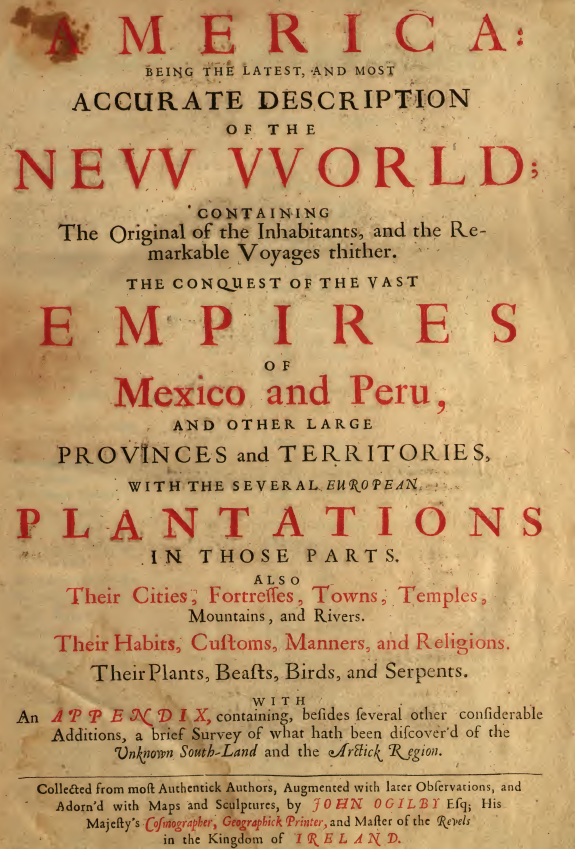
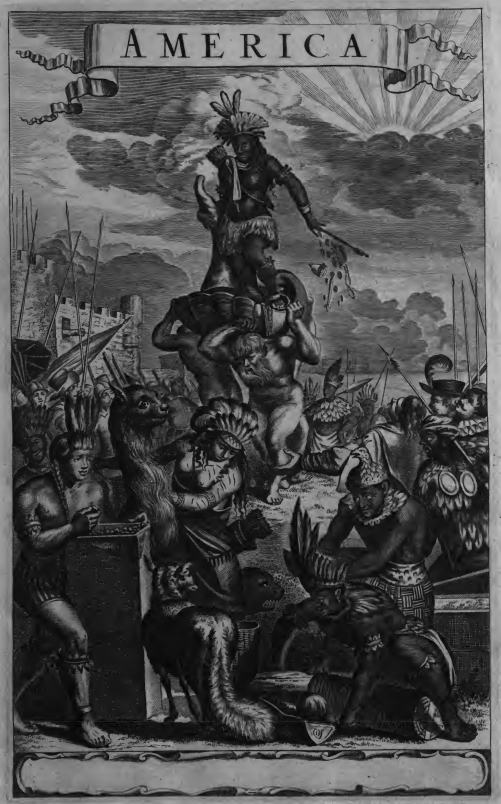
America: Being the latest and most accurate description of the new world – containing the Original of the Inhabitants, and the Remarkable Voyage thither. The Conquest of the vast empires of Mexico and Peru, and other Large Provinces and Territories

https://ia902709.us.archive.org/26/items/America00Ogil/America00Ogil.pdf

AMER’ICAN, noun 

A native of America; originally applied to the aboriginals, or copper-colored races, found here by the Europeans; but now applied to the descendants of Europeans born in America.

Source: http://www.webstersdictionary1828.com/Dictionary/american

colony (n.)

late 14c., “ancient Roman settlement outside Italy,” from Latin colonia “settled land, farm, landed estate,” from colonus “husbandman, tenant farmer, settler in new land,” from colere “to cultivate, to till; to inhabit; to frequent, practice, respect; tend, guard,” from PIE root *kwel- (1) “revolve, move round; sojourn, dwell” (source also of Latin -cola “inhabitant”). Also used by the Romans to translate Greek apoikia “people from home.”

In reference to modern situations, “company or body of people who migrate from their native country to cultivate and inhabit a new place while remaining subject to the mother country,” attested from 1540s. Meaning “a country or district colonized” is by 1610s.

Source:
https://www.etymonline.com/word/colony?ref=etymonline_crossreference


Source: https://www.un.org/dppa/decolonization/en/general-assembly