noun
1. a concise saying or maxim; an aphorism
Example: “the apophthegm ‘tomorrow is another day’”
1. a concise saying or maxim; an aphorism
Example: “the apophthegm ‘tomorrow is another day’”
Ultra vires (‘beyond the powers’) is a Latin phrase used in law to describe an act which requires legal authority but is done without it. Its opposite, an act done under proper authority, is intra vires (‘within the powers’). Acts that are intra vires may equivalently be termed “valid”, and those that are ultra vires termed “invalid”.
Legal issues relating to ultra vires can arise in a variety of contexts:
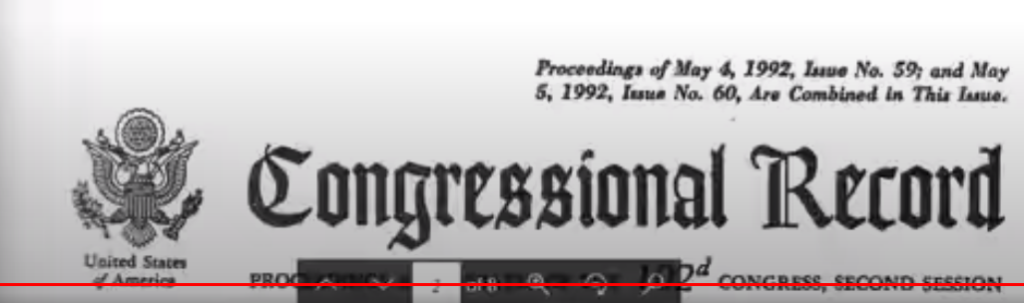
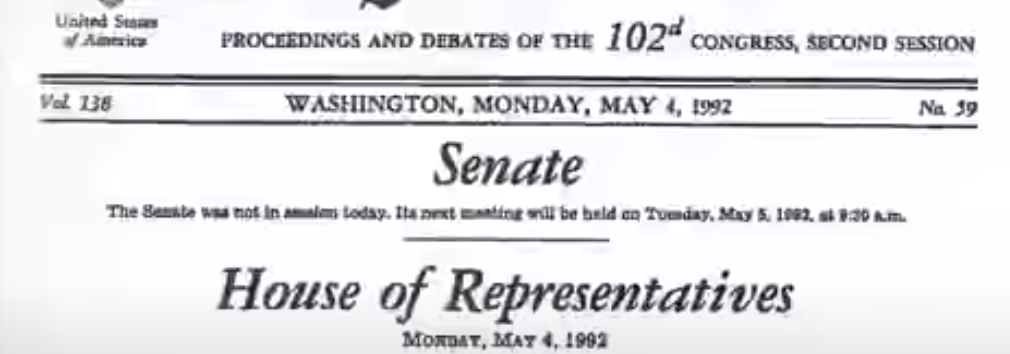
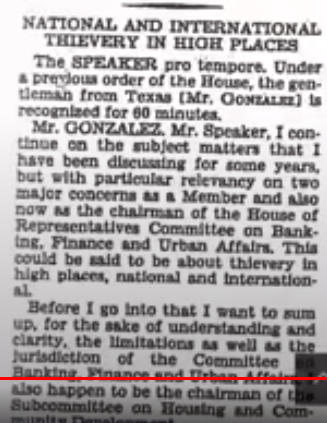
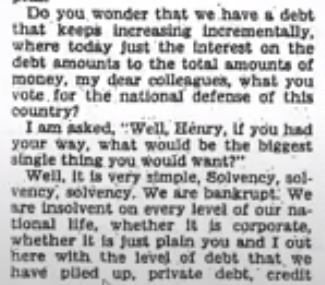
he following items of evidence are self-authenticating; they require no extrinsic evidence of authenticity in order to be admitted:
(1) Domestic Public Documents That Are Sealed and Signed. A document that bears:
(A) a seal purporting to be that of the United States; any state, district, commonwealth, territory, or insular possession of the United States; the former Panama Canal Zone; the Trust Territory of the Pacific Islands; a political subdivision of any of these entities; or a department, agency, or officer of any entity named above; and
(B) a signature purporting to be an execution or attestation.
E.g. stands for exempli gratia in Latin, which means “for example.” It introduces one or more examples that illustrate something stated, such as:
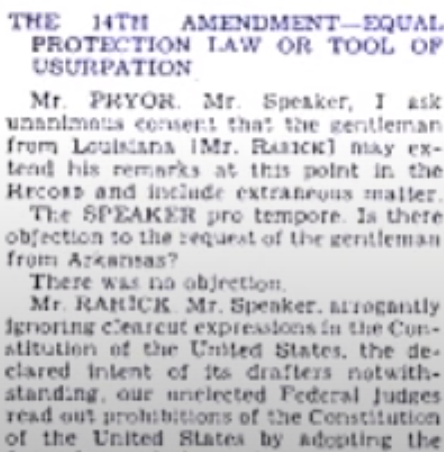
+ Pure 14th amendment study
Torts. The unlawful assumption of the use of property which bell longs to another; au interruption or the disturbing a mau in his right and possession. Tomlins. In public law. The unlawful seizure or assumption of sovereign power; the assunip- P lion of government or supreme power by force or illegally, in derogation of the consti- tution aud of the rights of the lawful ruler.



Leviticus 25:10
Levi means Law
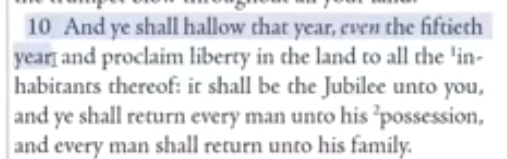
Return unto his family (family of nations (United Nations)) = Nationality