Drivers License is under immigration act for foreign, corporate, persons under the 14th Amendment regulated under the department of transportation for chattel = human trafficking
Month: April 2021
In forma pauperis
In forma pauperis (/ɪn ˈfɔːrmə ˈpɔːpərɪs/; IFP or i.f.p.) is a Latin legal term meaning “in the character or manner of a pauper”.[1] It refers to the ability of an indigent person to proceed in court without payment of the usual fees associated with a lawsuit or appeal.[1]
United States[edit]
In the United States, the IFP designation is given by both state and federal courts to someone who is without the funds to pursue the normal costs of a lawsuit or a criminal defense.[1] The status is usually granted by a judge without a hearing, and it entitles the person to a waiver of normal costs, and sometimes in criminal cases the appointment of counsel. While court-imposed costs such as filing fees are waived, the litigant is still responsible for other costs incurred in bringing the action such as deposition[citation needed] and witness fees. However, in federal court, a pauper can obtain free service of process through the United States Marshal’s Service.[4]
indigent (adj.)
c. 1400, from Old French indigent “poor, needy,” from Latin indigentem “in want of, needing” (see indigence). As a noun, “poor person,” from early 15c.
Council = Counsel for Moors
Motion = Privilege (not a right)(at the discretion of the judge)
Affidavit = Not rebutted stands as law
“12b6” diversity of citizenship
Article III
- Section 1
The judicial Power of the United States, shall be vested in one supreme Court, and in such inferior Courts as the Congress may from time to time ordain and establish. The Judges, both of the supreme and inferior Courts, shall hold their Offices during good Behaviour, and shall, at stated Times, receive for their Services, a Compensation, which shall not be diminished during their Continuance in Office.
Section 2 (Diversity) (Consular Court)
- Clause 1
- The Judicial Power shall extend to all Cases, in Law and Equity, arising under this Constitution, the Laws of the United States, and Treaties made, or which shall be made, under their Authority;—to all Cases affecting Ambassadors, other public Ministers [Grand Sheikhs dealing w. acts of state] and Consuls[Commissioner that deals w. nations in controversy between nations even in the same territory];—to all Cases of admiralty and maritime Jurisdiction;—to Controversies to which the United States shall be a Party;—to Controversies between two or more States;—between a State and Citizens of another State;—between Citizens of different States,—between Citizens of the same State claiming Lands under Grants of different States, and between a State, or the Citizens thereof, and foreign States, Citizens or Subjects.
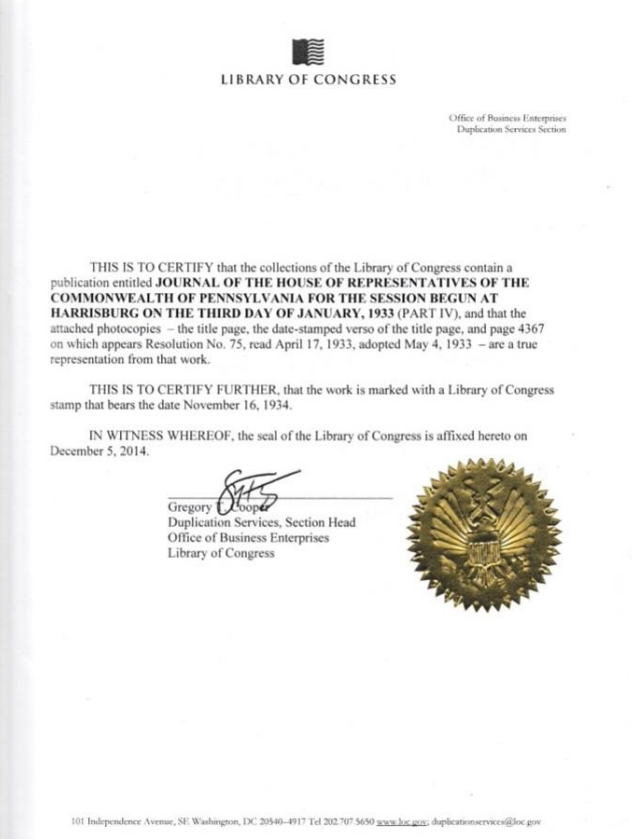
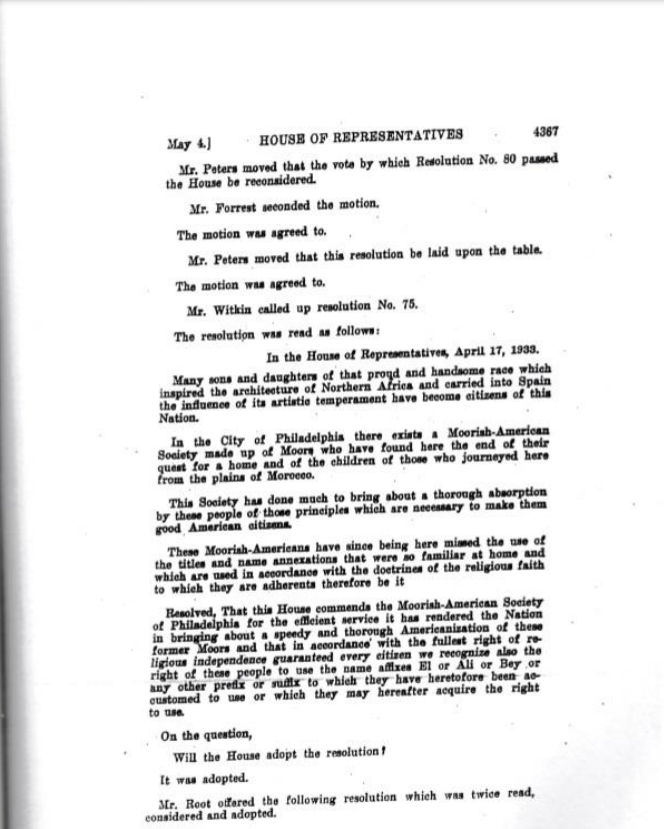
Resolution Number Seventy-Five (75) Dated April 17, 1933 A.D. (MOORISH-AMERICAN SOCIETY OF PHILADELPHIA AND THE USE OF THEIR NAMES)
dispose (v.)
late 14c., disposen, “set in order, place in a particular order; give direction or tendency to; incline the mind or heart of,” from Old French disposer (13c.) “arrange, order, control, regulate” (influenced in form by poser “to place”), from Latin disponere “put in order, arrange, distribute,” from dis- “apart” (see dis-) + ponere “to put, place” (past participle positus; see position (n.)). Related: Disposed; disposing.
Things to know
fundamental civic activity concerning nationhood, international law, constitutional law, divine constitution and by-laws, Treaty laws