Secret Treaty of Verona = Foundation of

World Powers Act
Trading w. the Enemy Act to enforce the Democracy Code system set in place by Franklin Delonare Rooselvent se tin place

1933

Backuping up Woodrow Wilson who sold the government to the popes of rome and the reps of englad off the coast of Gerogia

Dr. Jekyl and Mr. Hi Jekyl Island
US is part of the Roman Curia

Niceno-Constantinopolitan Creed

The Nicene Creed (/ˈnaɪsiːn/ , Greek: Σύμβολον τῆς Νικαίας, LatinSymbolum Nicaenum) is a Christian statement of belief widely used in liturgy. It is the defining creed of Nicene Christianity.

It is named for the city of Nicaea (present day İznik, Turkey) where it was originally adopted by the First Ecumenical Council, in 325.[1] In 381, it was amended at the Second Ecumenical Council, at Constantinople. The amended form is also referred to as the Nicene Creed, or the Niceno-Constantinopolitan Creed for disambiguation.

In the Western Christianity, the Nicene Creed is in use alongside the shorter Apostles’ Creed.[2][3][4] On Sundays and solemnities, one of these two creeds is recited in the Roman Rite Mass after the homily. The Nicene Creed is also part of the profession of faith required of those undertaking important functions within the Catholic Church.[5][6]

In the Byzantine Rite, the Nicene Creed is sung or recited at the Divine Liturgy, immediately preceding the Anaphora (Eucharistic Prayer), and is also recited daily at compline.[7][8]

In musical settings, particularly when sung in Latin, this Creed is usually referred to by its first word, Credo.

https://en.wikipedia.org/wiki/Nicene_Creed
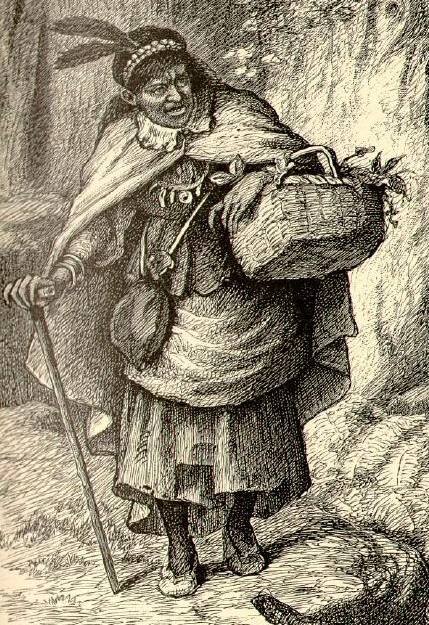
injunction (n.)

early 15c., from Late Latin iniunctionem (nominative iniunctio) “a command,” noun of action from past participle stem of Latin iniungere “impose, inflict, bring upon,” literally “attach to,” from in- “on” (from PIE root *en “in”) + iungere “to join together,” from nasalized form of PIE root *yeug- “to join.”

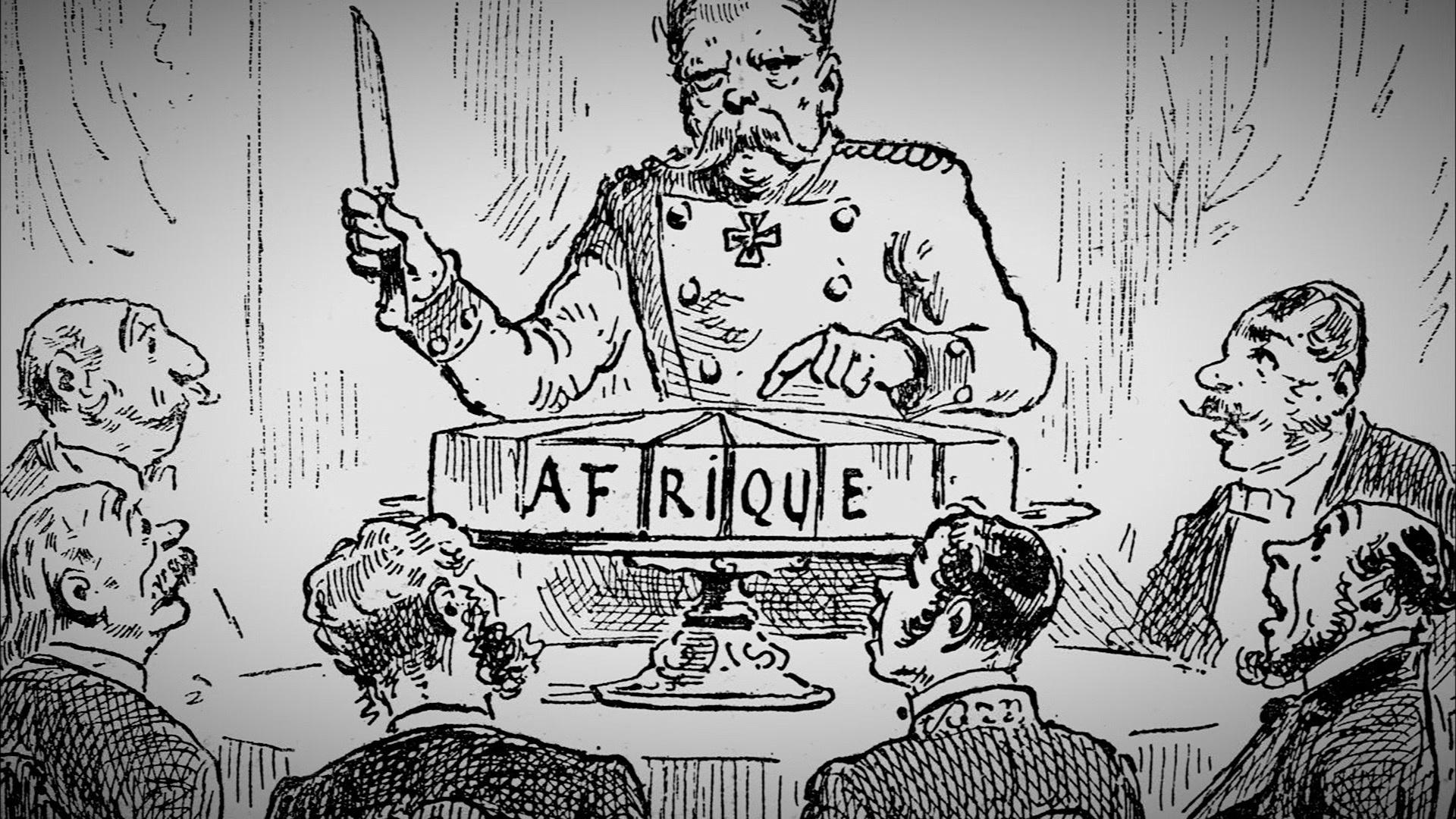
Berlin Conference

The Berlin Conference of 1884-1885 | Africa's Great Civilizations | PBS  LearningMedia

The Berlin Conference of 1884–1885, also known as the Congo Conference (GermanKongokonferenz) or West Africa Conference (Westafrika-Konferenz),[1] regulated European colonization and trade in Africa during the New Imperialism period and coincided with Germany‘s sudden emergence as an imperial power. The conference was organized by Otto von Bismarck, the first chancellor of Germany. Its outcome, the General Act of the Berlin Conference, can be seen as the formalisation of the Scramble for Africa, but some scholars of history warn against an overemphasis of its role in the colonial partitioning of Africa and draw attention to bilateral agreements concluded before and after the conference.[2][3][4] The conference contributed to ushering in a period of heightened colonial activity by European powers, which eliminated or overrode most existing forms of African autonomy and self-governance.[5]

https://en.wikipedia.org/wiki/Berlin_Conference

Ottoman Empire = Saracen Empire = Moorish Empire