Stare decisis is Latin for “to stand by things decided.” In short, it is the doctrine of precedent. Courts cite to stare decisis when an issue has been previously brought to the court and a ruling already issued.
Month: April 2021
misprision (n.)
early 15c., in law, “wrong action; a failure, offense or illegal act,” especially on the part of a public official, from Anglo-French misprisoun, mesprisioun “mistake, error, wrong action or speech,” (Old French mesprision “mistake, wrongdoing, fault, blame, crime”), from mespris, past participle of mesprendre “to mistake, act wrongly, trespass, transgress, break a law,” from mes- “wrongly” (see mis- (2)) + prendre “take,” from Latin prendere, contracted from prehendere “to seize” (from prae- “before,” see pre-, + -hendere, from PIE root *ghend- “to seize, take”).
In general, “criminal neglect in respect to the crime of another,” especially in connection with felonies, to indicate a passive complicity, as by concealment. In 16c., misprision of treason was used for lesser degrees of guilt (those not subject to capital punishment), especially for knowing of treasonable actions or plots without assenting to them, but not informing the authorities. This led to the common supposition in legal writers that the word means etymologically “failure to denounce” a crime.
coup d’état in 1871
Overthrow of Republican form of Government to Democracy
sedition (n.)
mid-14c., “rebellion, uprising, revolt, concerted attempt to overthrow civil authority; violent strife between factions, civil or religious disorder, riot; rebelliousness against authority,” from Old French sedicion (14c., Modern French sédition) and directly from Latin seditionem (nominative seditio) “civil disorder, dissension, strife; rebellion, mutiny,” literally “a going apart, separation,” from se- “apart” (see secret (n.)) + itio “a going,” from ire “to go” (from PIE root *ei- “to go”).
Meaning “conduct or language inciting to rebellion against a lawful government” is from 1838. An Old English word for it was folcslite. Less serious than treason, as wanting an overt act, “But it is not essential to the offense of sedition that it threaten the very existence of the state or its authority in its entire extent” [Century Dictionary].
IN PROPRIA PERSONA
In one’s own .proper
person.
899
IN PROPRIA
It Is a rule In pleadIng that pleas to the jurIsdiction of
the court must be plead in propria persona, because if
pleaded by attorney they admit the jurlsdiction, as an attorney is an officer of the court, and he is presumed to
plead after having obtained leave, which admits the jurisdiction. Lawes, PI. 91.
In some jurisdIctions, however, thIs rule Is no longer recognized. 1 C. J. 255
Charter = License
Bond = Insurance
Constitution = Treaty for Europeans to do Business in the far west
violated the treaty
defacto
New §95a. Regulation of transactions in foreign exchange of gold and silver; property transfers; vested interests, enforcement and penalties Note 1
2000 US Code
Title 12 – BANKS AND BANKING
CHAPTER 2 – NATIONAL BANKS
SUBCHAPTER IV – REGULATION OF THE BANKING BUSINESS; POWERS AND DUTIES OF NATIONAL BANKS
Sec. 95a – Regulation of transactions in foreign exchange of gold and silver; property transfers; vested interests, enforcement and penalties
http://docs.uscode.justia.com/2000/title12/USCODE-2000-title12/pdf/USCODE-2000-title12-chap2-subchapIV-sec95a.pdf
Nobility Clause
Emoluments Clause
Primary tabs
Also known as the Title of Nobility Clause, Article I, Section 9, Clause 8 of the U.S. Constitution prohibits any person holding a government office from accepting any present, emolument, office, or title from any “King, Prince, or foreign State,” without congressional consent. This clause is meant to prevent external influence and corruption of American officers by foreign States. A similar provision was included in the Articles of Confederation, applicable to both federal and state officers. The language of the modern clause, however, suggests that only federal government officials are prohibited from accepting any emoluments.
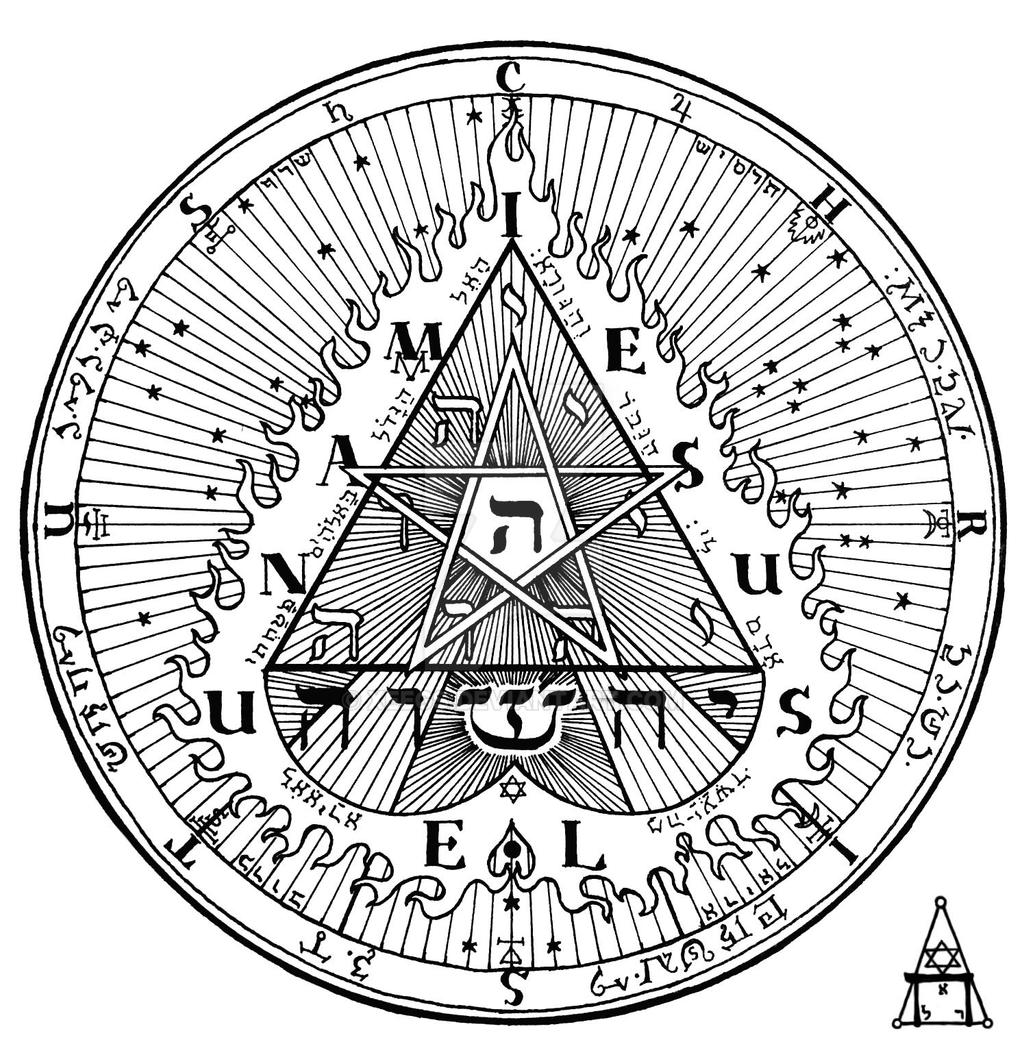
tetragrammaton
The Tetragrammaton or Tetragram is the four-letter Hebrew word יהוה, the name of the national god of Israel. The four letters, read from right to left, are yodh, he, waw, and he. While there is no consensus about the structure and etymology of the name, the form Yahweh is now accepted almost universally.
https://en.wikipedia.org/wiki/Tetragrammaton
What are the 7 names of God?The seven names of God that, once written, cannot be erased because of their holiness are the Tetragrammaton, El, Elohim, Eloah, Elohai, El Shaddai, and Tzevaot.