1650s, “mix (a metal) with mercury,” a back-formation from amalgamation, or else from obsolete adjective amalgamate (1640s) from amalgam (q.v.). Originally in metallurgy; figurative transitive sense of “to unite” (races, etc.) is attested from 1802; intransitive sense “to combine, unite into one body” is from 1797. Related: Amalgamated; amalgamating. Earlier verbs were amalgam (1540s); amalgamize (1590s).
Month: March 2021
Inter caetera
Inter caetera (‘Among other [works]’) was a papal bull issued by Pope Alexander VI on the 4 May (quarto nonas maii) 1493, which granted to the Catholic Monarchs Ferdinand and Isabella (as sovereigns of Castile) all lands to the “west and south” of a pole-to-pole line 100 leagues west and south of any of the islands of the Azores or the Cape Verde islands.[1]
It remains unclear to the present whether the pope intended a “donation” of sovereignty or an infeudation or investiture. Differing interpretations have been argued since the bull was issued, with some arguing that it was only meant to transform the possession and occupation of land into lawful sovereignty. Others, including the Spanish crown and the conquistadors, interpreted it in the widest possible sense, deducing that it gave Spain full political sovereignty.[2]
Inter caetera and other related bulls, particularly Dudum siquidem, comprised the Bulls of Donation.[3] While these bulls purported to settle disputes between Spain and Portugal, they did not address the exploratory and colonial ambitions of other nations, which became more of an issue after the Protestant Reformation.
IN FULL LIFE v. CIVILITER MORTUUS
IN FULL LIFE
Continuing in both physical and civil existence; that is, neither actuallydead nor civiliter mortuus.
CIVILITER MORTUUS
Civilly dead ; dead in the view of the law. The condition of one who has lost his civil rights and capacities, and is accounted dead in law.
Civil Rights Act Struck down 1883 as Unconstitutional
In 1883, The United States Supreme Court ruled that the Civil Rights act of 1875, forbidding discrimination in hotels, trains, and other public spaces, was unconstitutional and not authorized by the 13th or 14th Amendments of the Constitution.
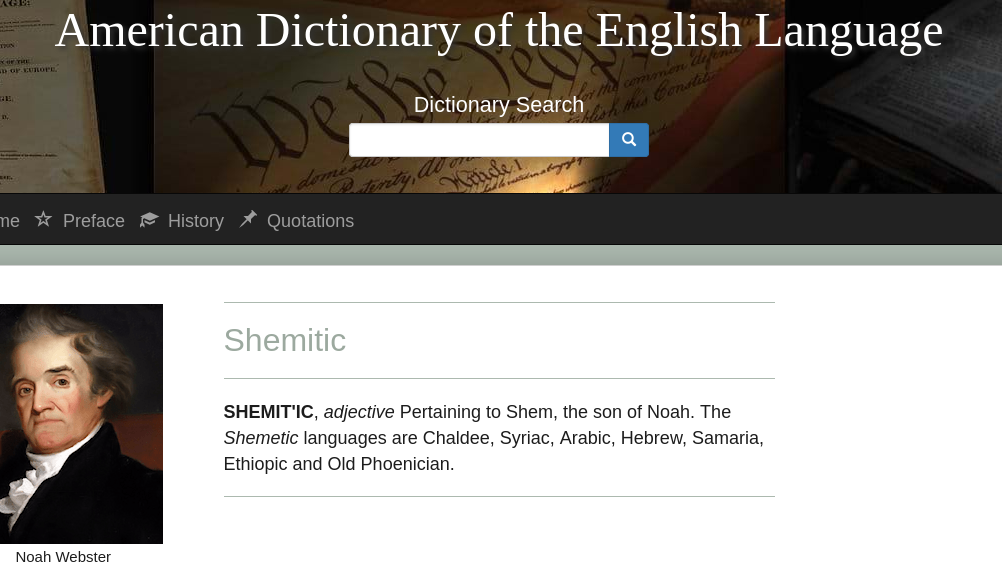
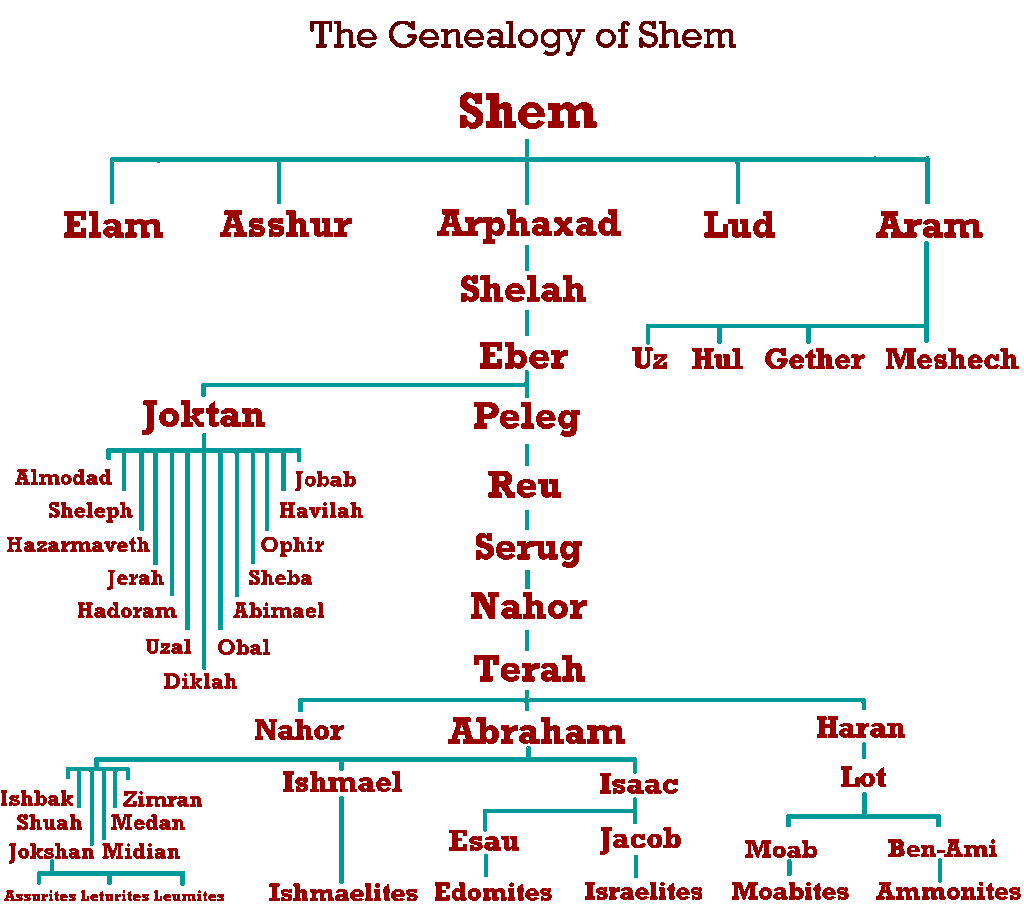
shemitic
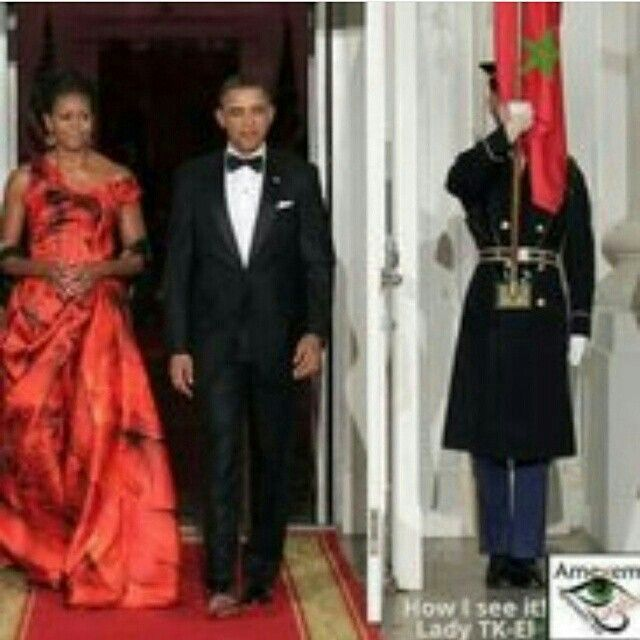
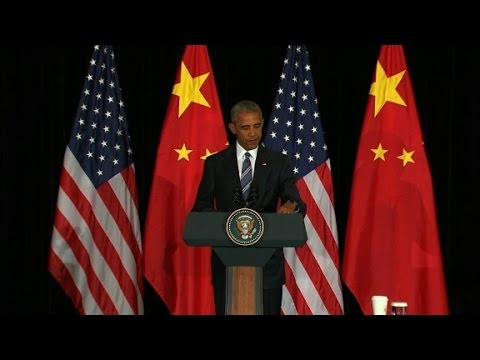
Obama – UNDRIP
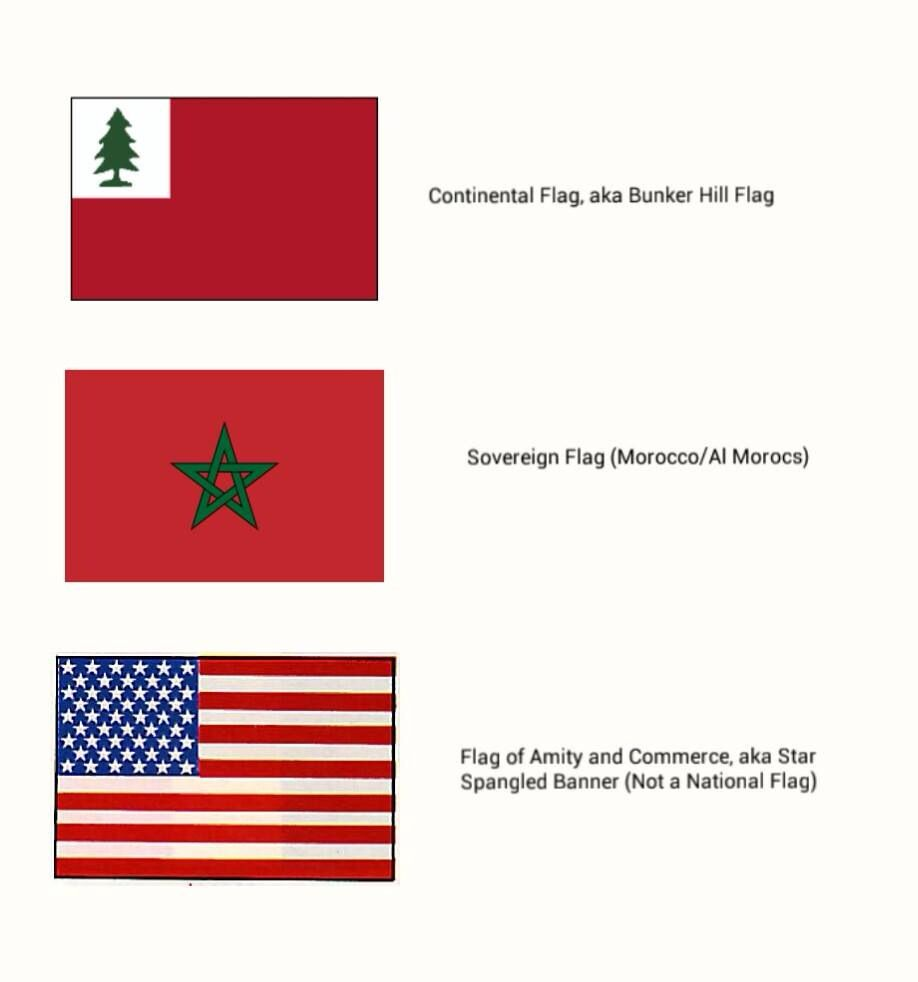
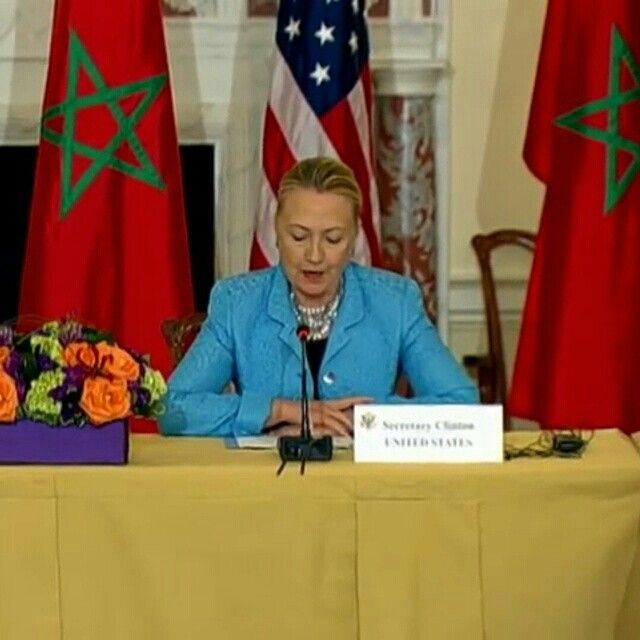
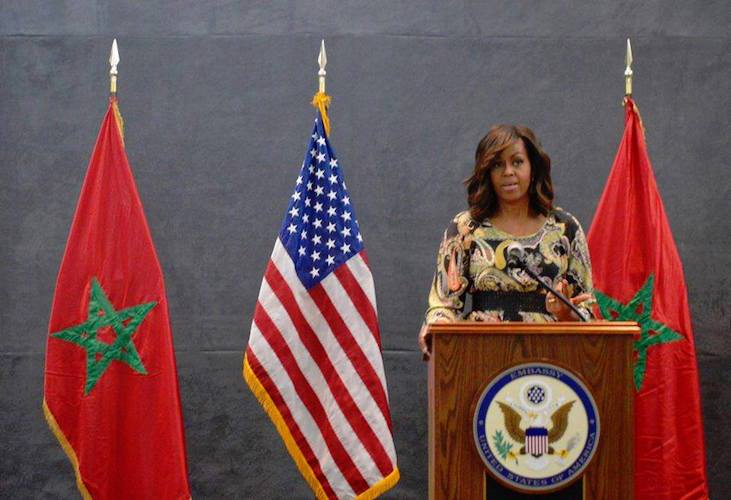
The Barbary Treaties 1786-1816 Treaty of Peace and Friendship, Signed at Tripoli November 4, 1796 Former Pres. Obama
Islamic Hijri Calendar For Shaban – 1200 Hijri
| Western Date | Day of Week | Hijri Date |
|---|---|---|
| 29-May-1786 | Monday | 1-Shaban-1200 |
| 30-May-1786 | Tuesday | 2-Shaban-1200 |
| 31-May-1786 | Wednesday | 3-Shaban-1200 |
| 1-Jun-1786 | Thursday | 4-Shaban-1200 |
| 2-Jun-1786 | Friday | 5-Shaban-1200 |
| 3-Jun-1786 | Saturday | 6-Shaban-1200 |
| 4-Jun-1786 | Sunday | 7-Shaban-1200 |
| 5-Jun-1786 | Monday | 8-Shaban-1200 |
Unam sanctam
Unam sanctam[a] is a papal bull that was issued by Pope Boniface VIII on 18 November 1302. It laid down dogmatic propositions on the unity of the Catholic Church, the necessity of belonging to it for eternal salvation, the position of the Pope as supreme head of the Church and the duty thence arising of submission to the Pope to belong to the Church and thus to attain salvation. The Pope further emphasised the higher position of the spiritual in comparison with the secular order. The historian Brian Tierney calls it “probably the most famous of all the documents on church and state that has [come] down to us from the Middle Ages”.[1] The original document is lost, but a version of the text can be found in the registers of Boniface VIII in the Vatican Archives.[2]