
The coin was introduced as a replacement for the Susan B. Anthony dollar, which proved useful for vending machine operators and mass transit systems despite being unpopular with the public. The Statue of Liberty was originally proposed as the design subject, but Sacagawea, the Shoshone guide of the Lewis and Clark Expedition, was eventually chosen.
The new dollar coin was heavily marketed by the Mint in a series of print, radio, and television advertisements, as well as Mint partnerships with Walmart and Cheerios. However, the Sacagawea dollar did not prove popular with the public, and mintage dropped sharply in the second year of production. Production of Sacagawea dollars continued, from 2007 to 2016 in parallel with the U.S. Presidential dollars. In 2012, mintage numbers were reduced by over 90%, in line with a similar reduction for the even more unpopular Presidential Dollars, due to large stockpiles of unused coins from that series.
The Mint planned to issue the Sacagawea design in 22-karat gold as well, but this idea was quickly abandoned after the Mint’s authority to strike the coins was questioned, and the Mint has retained ownership of the few such coins produced. Soon after initial production of the dollar, it was noticed that a few of the dollar coins were erroneously struck with the obverse of a state quarter and the normal reverse.
https://en.wikipedia.org/wiki/Sacagawea_dollar
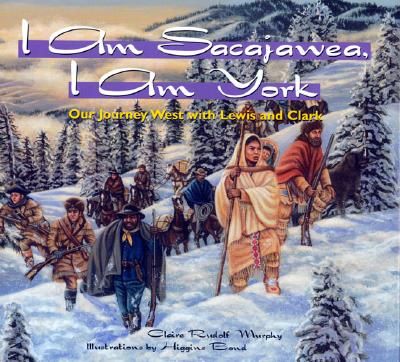
Sacagawea (/səˌkɑːɡəˈwiːə/; also Sakakawea or Sacajawea; May 1788 – December 20, 1812 or April 9, 1884) was a Lemhi Shoshone woman who, at age 16, met and helped the Lewis and Clark Expedition in achieving their chartered mission objectives by exploring the Louisiana Territory.
Sacagawea traveled with the expedition thousands of miles from North Dakota to the Pacific Ocean. She helped establish cultural contacts with Native American populations in addition to her contributions to natural history.
She was inducted into the National Women’s Hall of Fame in 2003.[1] In 1959, she was inducted into the Hall of Great Westerners of the National Cowboy & Western Heritage Museum.[2]
When the corps reached the Pacific Ocean, all members of the expedition—including Sacagawea and Clark’s black manservant York—voted on November 24 on the location for building their winter fort. In January, when a whale‘s carcass washed up onto the beach south of Fort Clatsop, Sacagawea insisted on her right to go see this “monstrous fish.”